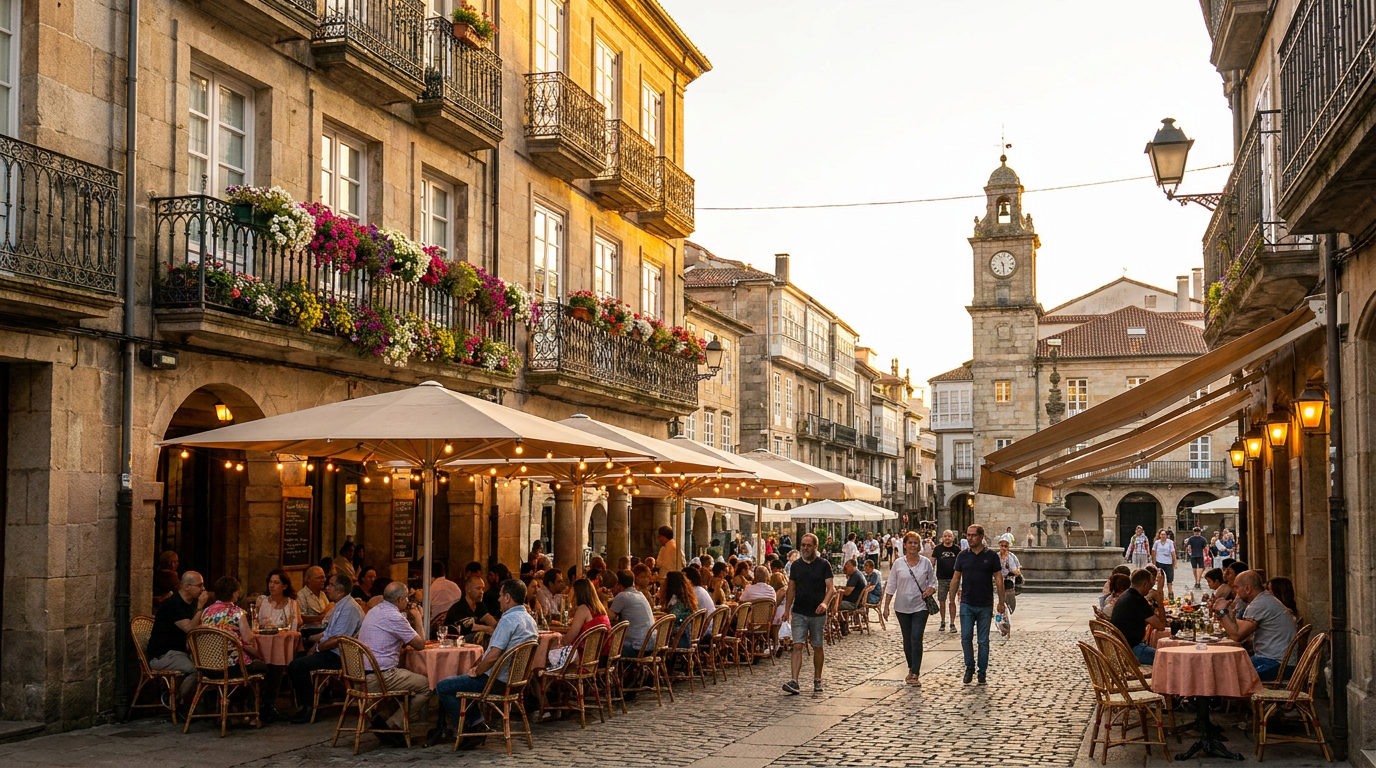
People always ask me which European city they should visit for the first time. After 30 years of planning trips across this continent, my honest answer is: it depends on who you are. Some cities grab you immediately. Others take a second visit to really understand. And some, once you have been, make you want to go back every single year. These are the ones I keep putting in itineraries, not because they are the most famous, but because they consistently deliver something that clients talk about long after they get home.
Prague
Prague does something that very few European capitals still manage to do: it surprises you. Clients who have done Paris and Rome and expect something similar come back talking about Prague like they discovered it themselves. The Old Town Square with the Astronomical Clock, the Charles Bridge at six in the morning before the tour groups arrive, the castle district above the Vltava River lit up at night. It is one of the most beautiful cities in the world and it is still, relative to western Europe, very affordable.
What I always tell clients is to stay on the Mala Strana side of the river rather than the tourist center. The cobblestone streets there are quieter, the restaurants are more local, and the walk up to the castle through the gardens in the morning is one of the genuinely lovely experiences in European city travel. Prague is also a great anchor for a longer Central European trip that includes Vienna and Budapest.
"I have sent hundreds of clients to Prague over the years. Almost every single one of them calls me within the first day to say it is more beautiful than they expected. That almost never happens with cities people have already built up in their heads."
Lisbon
Lisbon is having a moment right now, and honestly it deserves it. The city sits on seven hills above the Tagus River, and every neighborhood has its own personality. Alfama is the old Moorish quarter with narrow winding streets and the best fado you will hear anywhere. Belem has the most important monuments and the pasteis de nata at Pasteis de Belem, which clients still mention by name years later. LX Factory on a Sunday morning is as good a market experience as you will find in Europe.
What makes Lisbon work as a destination is that it rewards slow travel. You do not need to rush between sights. The city is best experienced by just walking, stopping for a coffee, sitting on a miradouro overlook at sunset with a glass of Vinho Verde, and letting the afternoon unfold. Porto is a two-hour train ride north and worth adding for at least two nights. I almost always recommend Lisbon and Porto together as a ten-day trip.
Amsterdam
Amsterdam is one of those cities that works at any time of year and for almost every type of traveler. The canal ring is a UNESCO World Heritage Site and genuinely beautiful to walk, especially in the morning when the light is low and the houseboats are just waking up. The Rijksmuseum and the Van Gogh Museum are two of the best museums in Europe, and the Jordaan neighborhood for lunch and an afternoon wander is as pleasant a few hours as you will spend anywhere.
What I find with clients is that Amsterdam often gets underestimated because it is seen as a short city break rather than a real destination. I always push for at least four nights. That gives enough time to take a day trip to Haarlem or the Keukenhof gardens in spring, visit the Anne Frank House without rushing, and actually sit in a proper brown cafe for a few hours without feeling like you are checking boxes.
Budapest
Budapest is the city I recommend most often for clients who want Europe but are not ready to pay Paris prices. The Hungarian capital has extraordinary architecture, one of the great thermal bath traditions in the world, and a food and wine scene that has developed dramatically in the last decade. The Ruin Bars in the Jewish Quarter are unlike anything else in Europe, and the view of the Danube from Fisherman's Bastion at dusk is genuinely one of the best views on the continent.
Budapest also happens to be a natural beginning or end point for a Danube river cruise, which is something I factor in for clients who want to combine a city stay with a cruise itinerary. The city is walkable, easy to navigate, and the locals are warm. It consistently ranks among the trips clients say they want to repeat, which for me is the best measure of a destination.