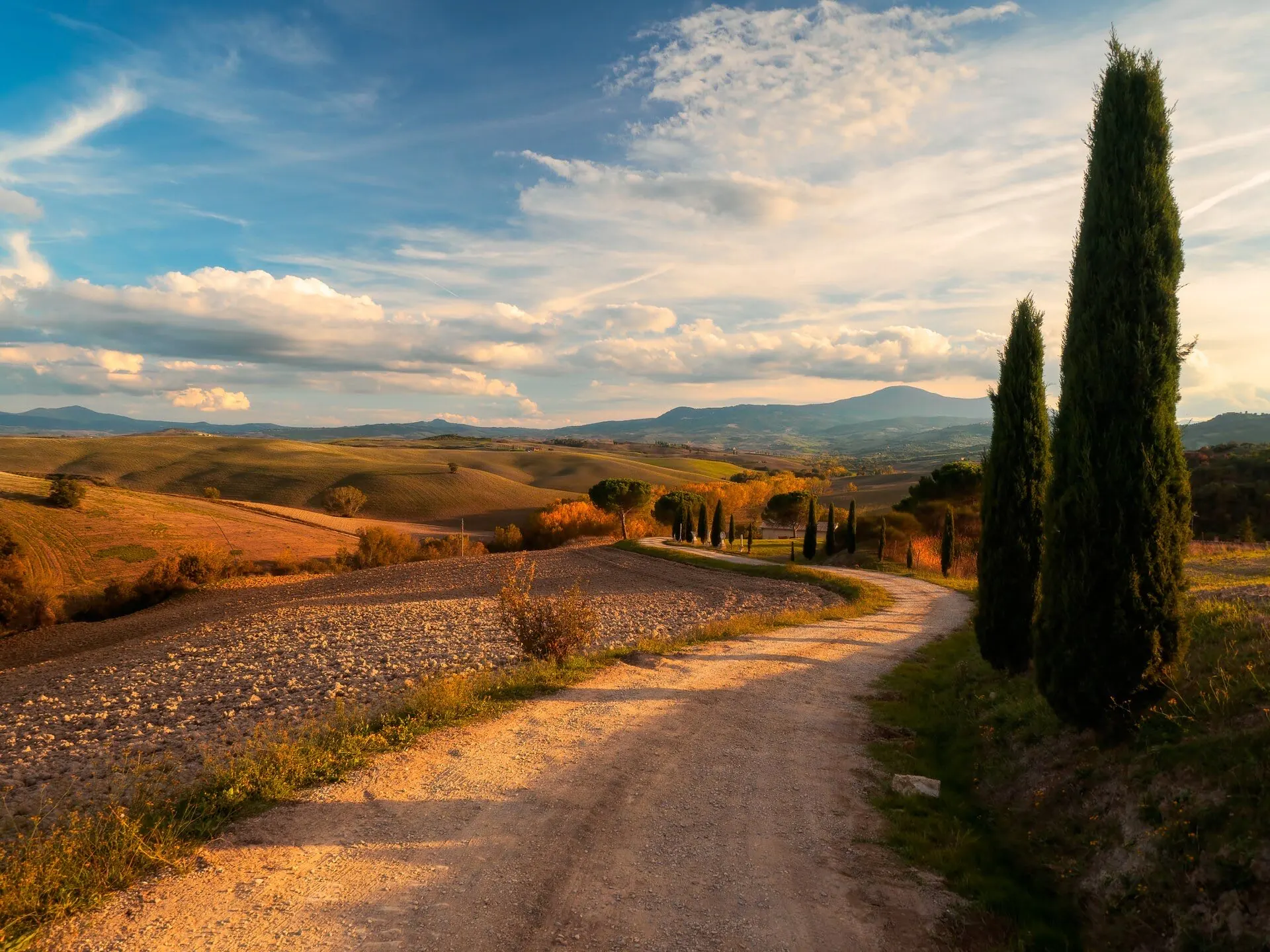
Tuscany is the Italy that lives in people's imaginations: cypress-lined roads winding through golden hills, medieval towns perched on ridges, long lunches under a pergola with a bottle of Brunello. It is also a region that rewards good planning more than almost anywhere else in Italy. The difference between a lovely visit and an unforgettable one comes down to where you stay, how you get around, and the private experiences you build into each day.
Where to Stay: Villas, Castles, and Country Estates
Tuscany's luxury accommodations fall into two categories, and both are wonderful. The first is the estate hotel, a restored castle or village with full hotel service. Rosewood Castiglion del Bosco near Montalcino sits on a vast estate with its own Brunello winery and golf course. Castello di Casole, A Belmond Hotel, offers a hilltop castle setting between Siena and Volterra. COMO Castello del Nero in Chianti combines a twelfth-century castle with a superb spa. Il Borro, owned by the Ferragamo family, is a restored medieval village surrounded by vineyards.
The second is the private villa, ideal for families and groups who want space, privacy, and a home of their own for the week. The best villas come with a pool overlooking the hills, a private chef on request, and staff who can arrange everything from cooking classes to wine tastings. Villa rentals in Tuscany are typically booked by the week, Saturday to Saturday, and the finest properties are reserved a year in advance. You can explore more of what we offer on our villas and yachts page.
The Wine Regions Worth Your Time
Chianti Classico, between Florence and Siena, is the heart of Tuscan wine country, with rolling vineyards, stone farmhouses, and towns like Greve, Radda, and Castellina. Montalcino, to the south, produces Brunello di Montalcino, one of Italy's most celebrated red wines. Nearby Montepulciano is known for Vino Nobile and a beautiful hilltop town center. For a coastal contrast, Bolgheri near the sea is home to the famous Super Tuscans.
I always recommend private tastings over walk-in visits. Many of the most memorable experiences happen at smaller family estates where an owner walks you through the cellar and pours library vintages over lunch.
"In Tuscany, the most luxurious thing you can have is time. Three nights in one beautiful place will always give you more than six nights spent packing and unpacking."
The Val d'Orcia and the Hill Towns
South of Siena, the Val d'Orcia is a UNESCO World Heritage landscape and the source of Tuscany's most iconic images. Drive the road between San Quirico d'Orcia and Pienza in late afternoon, when the light turns the hills gold, and stop in Pienza for its pecorino cheese and Renaissance piazza. Bagno Vignoni, with its thermal pool in the center of town, is enchanting, and Montepulciano and Montalcino pair perfectly with wine tastings.
Farther north, San Gimignano is famous for its medieval towers, and Siena is a must for its Piazza del Campo and Gothic cathedral. Visit popular towns early or late in the day, when tour buses have gone.
Experiences That Make a Tuscany Trip
A morning truffle hunt with a local truffle hunter and their dogs, followed by a truffle lunch, is unforgettable, especially during the white truffle season in the fall. A private cooking class in a farmhouse kitchen, a hot air balloon ride over the vineyards at sunrise, a vintage car tour through Chianti, or a day at the thermal springs of Saturnia are just a few of the experiences I arrange for clients.
How Many Days Do You Need in Tuscany?
I recommend a minimum of four nights in the countryside, and a full week if you are renting a villa. Many clients combine Florence with Tuscany, spending two or three nights in the city and then moving to an estate for the rest of the stay. Tuscany also fits beautifully into a broader Italy trip, as I outline in my 10-day Italy itinerary.
When to Visit Tuscany
Late April through June and September through October are the best months to visit Tuscany. September and October bring the grape harvest, and November brings truffles and new olive oil. Summer is beautiful but hot, which makes a villa with a pool especially welcome. For a full seasonal breakdown, read my guide to the best time to visit Italy.
Getting Around Tuscany
A car is essential in the countryside, but driving can be stressful on narrow roads, and many historic town centers are closed to non-resident traffic. A private driver lets everyone enjoy the wine tastings and the views. For longer stays, I often combine a driver for winery days with a rental car for relaxed exploring closer to the villa.
Frequently Asked Questions
What is the best area to stay in Tuscany?
Chianti is ideal for first-time visitors who want easy access to Florence and Siena. The Val d'Orcia and Montalcino suit travelers looking for the most iconic scenery and Brunello wine.
How many days should I spend in Tuscany?
At least four nights in the countryside, or a full week for a villa stay. Combining two or three nights in Florence with an estate stay works beautifully.
When is the best time to visit Tuscany?
Late April through June and September through October offer the best weather. Fall adds the grape harvest and truffle season.
Do I need a car in Tuscany?
You need transportation in the countryside. A private driver is the most relaxing option for wine tasting days, while a rental car works well for short drives near your villa.


