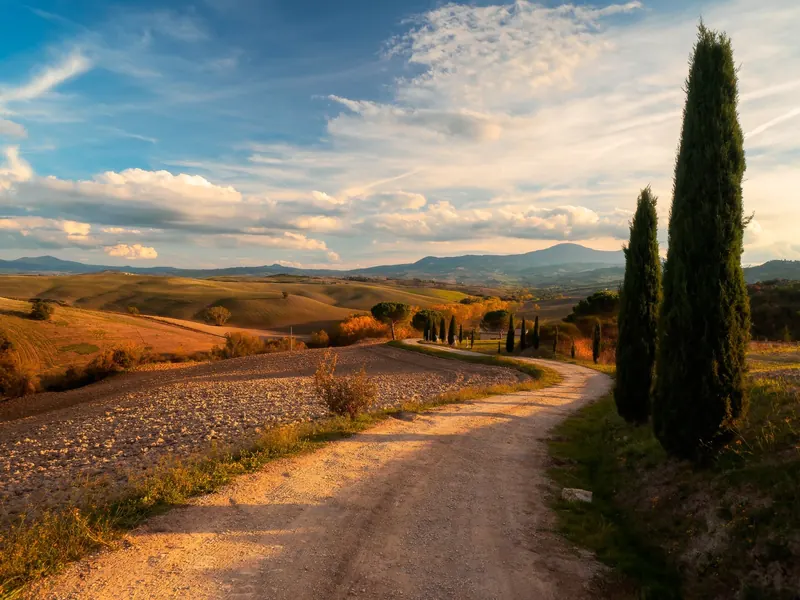
"When should we go?" is the first question almost every client asks me about Italy, and the honest answer is that there is no bad time, only the right time for the trip you want. Italy changes dramatically through the year. The same piazza that is packed in July can be blissfully quiet in November, and the coastline that is buzzing in June is largely shuttered by January. Here is how I guide clients through Italy's seasons.
Spring (April to June): The Sweet Spot for Most Travelers
For a first trip, spring is hard to beat. Temperatures are comfortable for long days of walking, gardens are in bloom, and the countryside is green. April and May are ideal for Rome, Florence, and Venice. By late May and June, the Amalfi Coast, Capri, and Lake Como are fully open and at their most beautiful.
The trade-off is popularity. Easter week brings large crowds to Rome and the Vatican, and hotel rates climb quickly into June. If spring is your season, I recommend booking six to nine months ahead, particularly for coastal hotels with limited rooms.
Summer (July and August): Coastal Italy at Its Liveliest
Summer is the season for the sea. The Amalfi Coast, Puglia, Sicily, and Sardinia are at their most glamorous, and long evenings stretch late into the night. Cities, however, can be very hot, and August is the month many Italians take their own holidays, so some family-run restaurants and shops close in the cities.
If summer is the only time you can travel, I build itineraries that spend mornings sightseeing in the cities and afternoons by the water, with hotels that have pools and air conditioning you can count on. The Dolomites and the northern lakes are also wonderfully refreshing in midsummer.
"My favorite month in Italy is October. The light turns golden, the harvest is underway, the summer crowds are gone, and every meal seems to taste a little better."
Fall (September to November): The Season Insiders Love
September and October are, for many travelers, the very best time to visit Italy. The weather is still warm, the sea is still swimmable in early fall, and the summer crowds thin noticeably. This is harvest season. Grapes are picked across Tuscany, Piedmont, and the Veneto, olives follow soon after, and food festivals fill the calendar.
November brings the white truffle season in Alba and San Miniato, and the quiet, misty beauty of the countryside. It is my favorite time for food and wine lovers. Many coastal hotels close by late October, so fall is the moment to focus on Tuscany, Umbria, Piedmont, and the great art cities. My Tuscany luxury travel guide is a good place to start.
Winter (December to March): Quiet Cities and Festive Charm
Winter is Italy's best kept secret for city travelers. Rome, Florence, and Venice are far less crowded, museum lines shrink, and hotel rates drop. December brings beautiful Christmas markets and festive lights, especially in the north. February brings Carnival to Venice, one of the most atmospheric events in Europe, with masked balls and costumed processions.
Winter is also ski season in the Dolomites, where Cortina d'Ampezzo and Alta Badia combine world-class slopes with exceptional dining. The weather in the cities can be cool and rainy, so this season suits travelers who love museums, cafés, and long dinners more than beach days.
Italy Month by Month at a Glance
January and February: lowest prices, quiet cities, Carnival in Venice, skiing in the Dolomites. March: mild days and early spring blooms. April and May: ideal weather for touring, with busy holiday weeks. June: the start of beach season and long days. July and August: peak heat and peak coastal season. September: warm weather and the harvest. October: golden light, wine, and fewer crowds. November: truffles and quiet countryside. December: holiday markets and festive cities.
Matching the Season to Your Trip
The right timing depends on what you want to do. For a classic first trip through Rome, Florence, and Venice, I recommend April, May, September, or October. For a beach-focused trip to the Amalfi Coast or Sicily, aim for June or September. For food and wine, choose October or November. For the lowest prices and the fewest crowds, consider January through early March. If you are planning your first visit, my 10-day Italy itinerary shows how to put it all together.
Frequently Asked Questions
What is the best month to visit Italy?
May and October are often the best months overall, with pleasant weather, beautiful scenery, and fewer crowds than midsummer.
What is the cheapest time to go to Italy?
January through early March offers the lowest hotel rates and airfares, outside the Christmas and Carnival periods.
Is Italy too crowded in summer?
Major cities can be very busy and hot in July and August. Summer is the best time for the coast, so many travelers pair early-morning city sightseeing with time by the sea.
When is truffle season in Italy?
White truffle season runs from roughly October through December, with famous fairs in Alba in Piedmont and San Miniato in Tuscany.